
Episode #185 – ABS Ratings = Milkshake NGU
Episode #185 | Published February 26, 2026
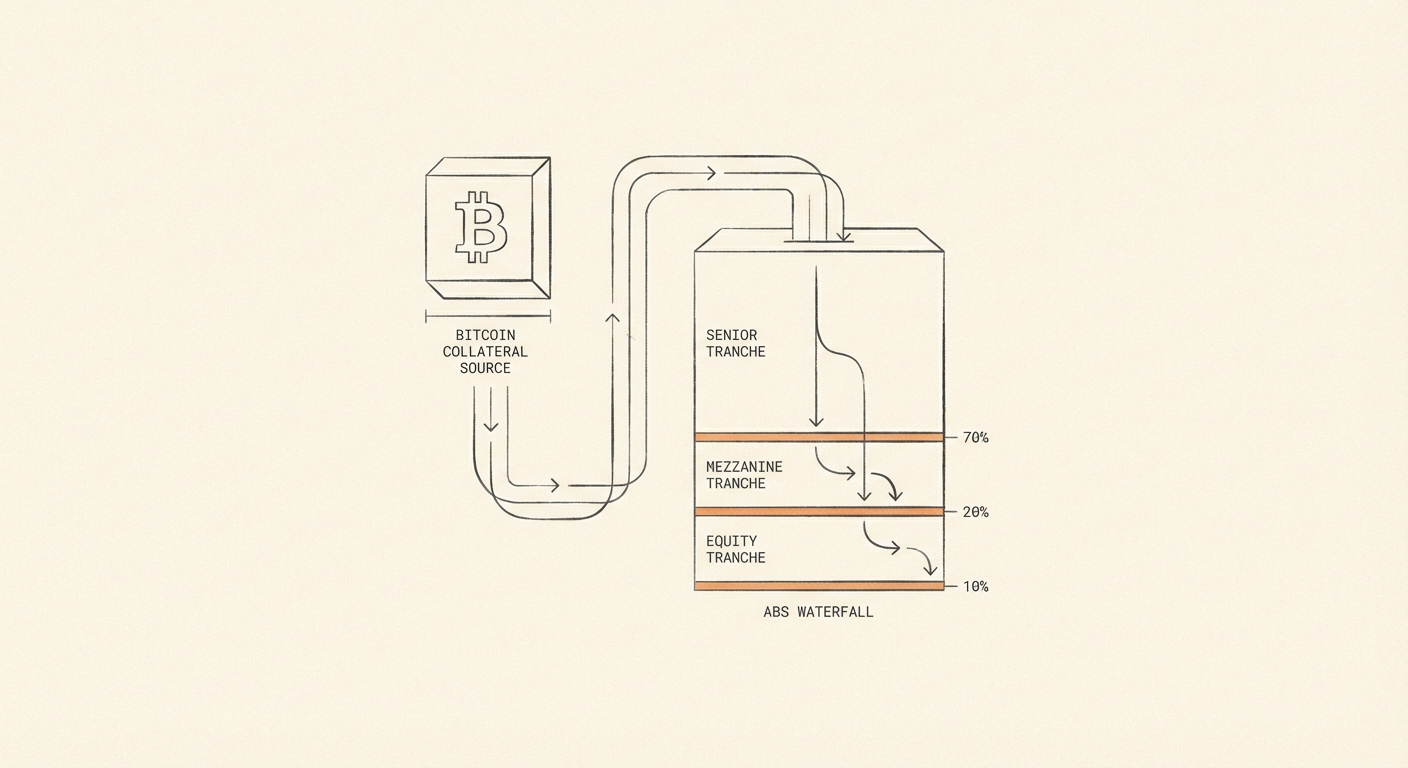
A lender took a pool of bitcoin-collateralized loans, packaged the pool into an asset-backed security, sold roughly $188 million of bonds, and cleared investment-grade treatment on senior notes. That is not just a headline event. It is a structural transition where Bitcoin collateral gets translated into bond language: tranches, enhancement, triggers, servicing, and surveillance.
Episode Summary
The central claim is straightforward: this is a market-structure milestone because Bitcoin has now entered institutional credit plumbing in a form fixed-income desks can evaluate, price, and distribute. Asset-backed securitization is not new technology. What is new is the collateral type and the implications of forcing BTC-backed lending through the same process discipline that governs broader credit markets.
Distribution capacity does not expand from social momentum. It expands when risk can be sliced, documented, monitored, and compared against alternatives. Once a BTC-collateralized loan pool is placed into an ABS format, each layer becomes inspectable: expected loss assumptions, trigger language, margin pathways, surveillance cadence, and secondary market behavior.
The analysis frames this through Cf/Cp: the cost of falsification over the cost of preservation. In practical credit terms, Cf asks how expensive it is to hide impairment, delay recognition, or game marks. Cp asks how expensive it is for independent observers to preserve a clean view of what is happening. Strong systems make deception costly and verification cheap.
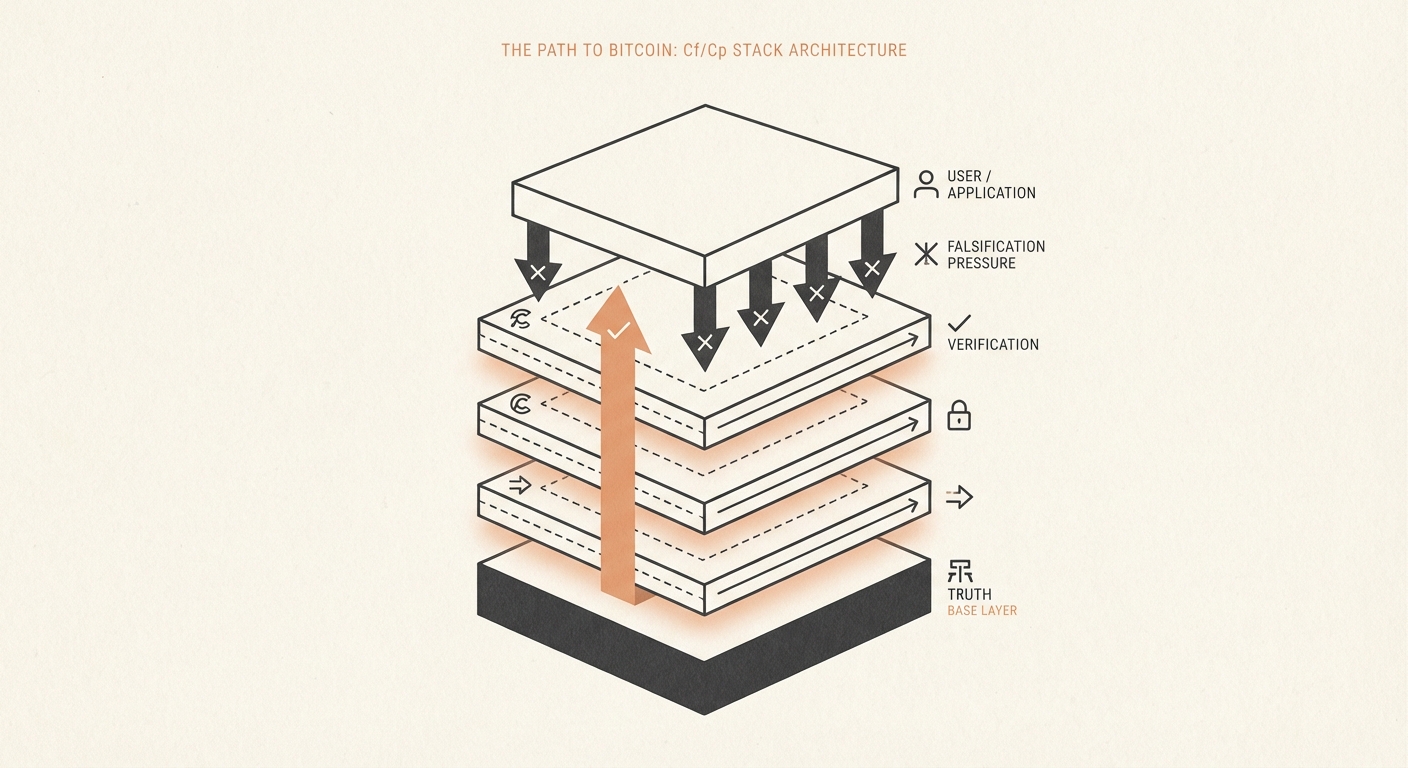
A key distinction is that Cf/Cp is a stack, not a single score. Layer zero, the Bitcoin base layer, has strong native constraints. But wrapper layers above that base can still introduce fragility through custody design, valuation inputs, trigger logic, servicing behavior, legal enforceability, reporting quality, and secondary-market reflexivity.
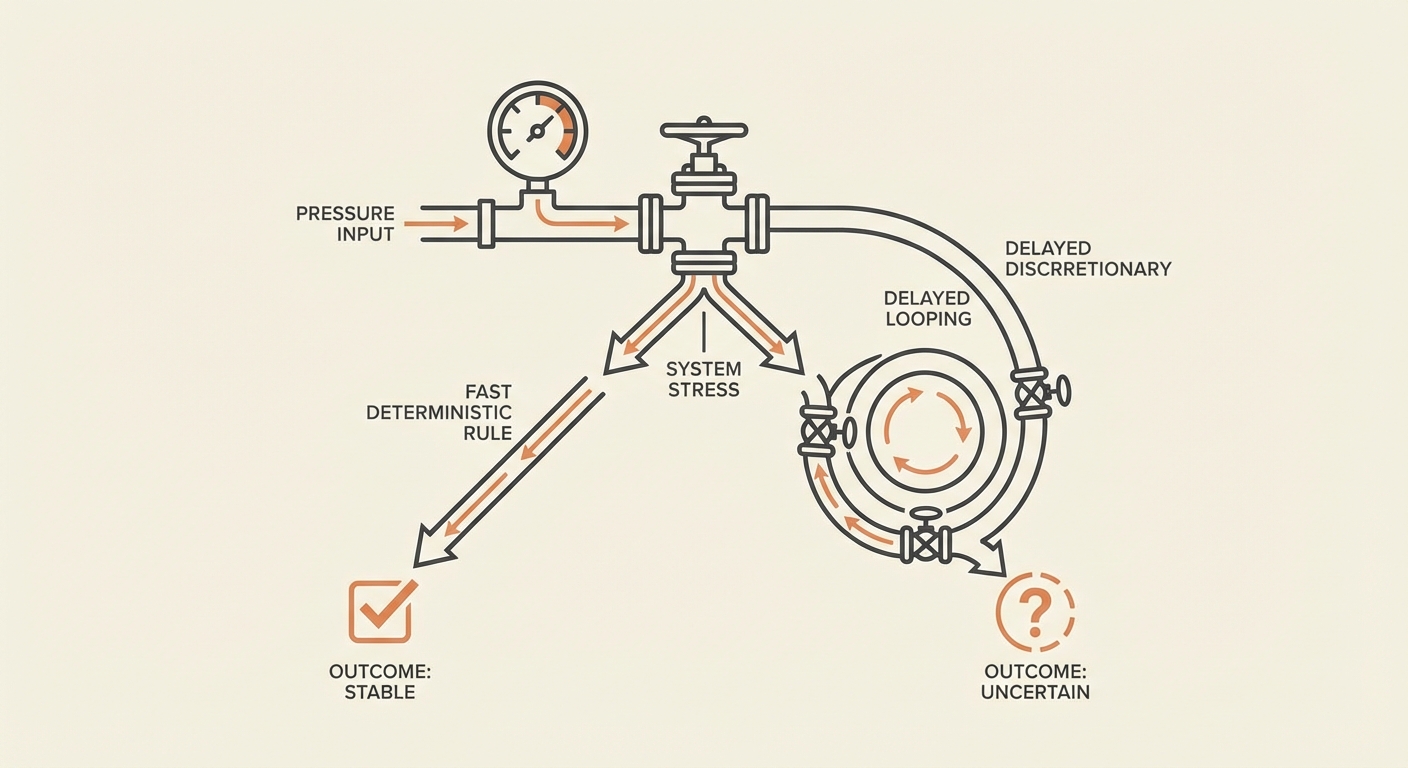
Stress behavior is the truth serum. Forced liquidation is not automatically failure. If documented rules execute on time under pressure, pain can be evidence of discipline. The real red flags are delayed action, inconsistent exceptions, and narrative-heavy reporting that obscures state changes.
The practical edge is not short-term prediction. It is tracking constraint quality through repeatable checkpoints: issuance cadence, collateral drift, breach frequency, cure outcomes, time-to-action, liquidation quality, reporting timeliness, definition stability, investor-base mix, spread behavior under stress, and legal-event handling.
Topics Discussed
- Why the first BTC-backed ABS is a structural event, not a PR milestone.
- How securitization translates Bitcoin collateral into institutional bond math.
- Cf/Cp as a practical framework for evaluating credit quality under stress.
- Why base-layer Bitcoin strength does not automatically guarantee wrapper integrity.
- Interaction failures between layers and where hidden leverage appears.
- Stress behavior as the cleanest test of trigger quality and servicing discipline.
- How to track market maturity with an operator scoreboard.
Links & References
- Ledn launch announcement (Feb 18, 2026)
- Ledn close announcement (Feb 20, 2026)
- Cointelegraph coverage and rating references
- Asset-backed security (ABS) background
- Securitization process overview
- Proof-of-work reference
Related Episodes
- Episode #183 – Capital in the 22nd Century – wealth as knowledge and why model assumptions matter.
- Episode #184 – On the Same Page – K=IC2, quantized time, and constraint quality.
- Episode #180 – Gradients Are Everywhere – capital flows and constrained verification.
Notable Pull Quotes
“Layer zero can be strong while wrapper layers leak.”
“Stress is where governance claims become measurable.”
“Do not confuse clean narrative with clean structure.”
“If falsification gets cheaper while verification gets harder, price is just late information.”
Post a comment: